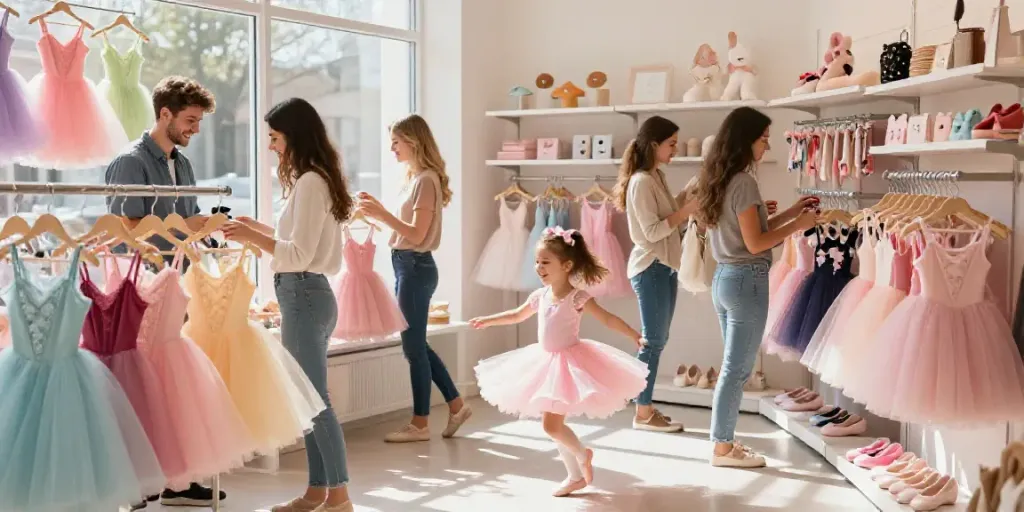
The Evolution of Tutu Stores: A Look Back and Forward
The tutu, a symbol of grace and elegance in the dance world, has evolved significantly over the years. Tutu stores have not only served the needs of dancers but have also become key players in the fashion and costume industry. As we step into 2026, it is crucial to understand how these stores have transformed, the current trends shaping their future, and the significant impact of online shopping on consumer behavior. For those interested in diving deeper into the offerings available today, the tutu store provides a range of options for both performers and enthusiasts alike.
Historical Overview of Tutu Shops
The origins of the tutu can be traced back to the early 19th century, with its first substantial presence recorded in ballet performances. As ballet gained popularity, so did the need for specialized attire, resulting in the emergence of tutu shops. Initially small, local boutiques, these stores catered exclusively to dancers, offering handmade tutus tailored to the specific requirements of ballet performances.
Over the decades, as dance styles evolved and diversified, so did the products offered by tutu shops. Today, these establishments not only provide traditional ballet tutus but also cater to various genres, including contemporary dance, jazz, and even themed costumes for performances and parties.
Emerging Trends in Tutu Fashion
Modern tutu stores are embracing new fashion trends, integrating contemporary styles into their collections. The advent of digital media has provided a platform for designers to showcase unique creations, combining traditional elements with innovative designs. Layered tutus, vibrant colors, and the use of unconventional materials are becoming increasingly popular.
Additionally, tutu stores are now offering customized options where customers can choose fabrics, colors, and embellishments to create a truly personalized piece. This move towards customization not only enhances customer satisfaction but also differentiates these shops in a competitive marketplace.
Impact of Online Shopping on Tutu Stores
The rise of e-commerce has fundamentally changed how tutu stores operate. While brick-and-mortar stores still hold value, many have expanded their reach by establishing robust online presences. This shift has allowed tutu stores to connect with a broader audience, transcending geographical limitations and enhancing customer convenience.
Online shopping provides consumers with the ability to browse extensive catalogs, read reviews, and compare prices easily. As a result, tutu stores must invest in user-friendly websites, attractive visuals, and comprehensive product descriptions to create a seamless shopping experience.
Understanding Your Target Audience for Tutu Products
Demographics: Who Buys Tutus?
The primary market for tutus consists of dancers, ranging from toddlers to adults. Dance studios often require bulk purchases for their students, thereby becoming significant clients for tutu stores. Additionally, parents purchasing tutus for their children’s performances or costume parties represent another critical demographic.
Furthermore, the growing trend of adult ballet classes has expanded the market to include older women who seek stylish and comfortable attire for their dance practices. This shift has opened up new avenues for tutu stores to cater to a diverse audience.
Customer Preferences and Trends
In today's market, customers are increasingly leaning towards sustainable and ethically sourced products. Tutu stores that prioritize eco-friendly materials and transparent manufacturing processes are likely to resonate well with environmentally conscious consumers. Additionally, consumers are looking for versatility in their tutu selections, seeking pieces that can be worn for various occasions beyond dance, such as parties and photoshoots.
Common Challenges for Tutu Store Owners
Despite the growth of the tutu market, store owners face challenges, including inventory management and competition from larger retailers. The ability to forecast trends accurately and adapt to changing consumer preferences is crucial for success. Moreover, maintaining strong relationships with suppliers to secure quality materials at competitive prices can be a daunting task.
Best Practices for Running a Successful Tutu Store
Creating an Engaging Store Environment
A well-designed store environment that reflects the artistic nature of dance can significantly impact customer experience. Tutu stores should consider incorporating elements such as bright colors, dance-themed decor, and interactive displays. Creating a welcoming atmosphere encourages customers to spend more time browsing and increases the likelihood of purchases.
Effective Marketing Strategies for Tutu Stores
Utilizing social media platforms like Instagram and TikTok can be an effective marketing strategy for tutu stores. Visual content showcasing unique tutu designs or customer testimonials can engage potential buyers. Collaborations with local dance schools or influencers can also enhance visibility within target demographics.
Building Customer Loyalty and Repeat Business
Offering loyalty programs or exclusive discounts to repeat customers can incentivize continued patronage. Engaging with customers through personalized emails or surveys can also foster a sense of community around the brand, leading to increased loyalty. Additionally, hosting events or workshops can create an interactive environment that enhances customer relationships.
Real-World Success Stories in the Tutu Retail Space
Case Study: A Successful Tutu Store Launch
A notable success story in the tutu retail space is that of "Tutu Dance Boutique," which opened in a suburban area with limited competition. By focusing on quality products and exceptional customer service, the store quickly developed a loyal customer base. Their hands-on approach, offering fittings and personalized consultations, set them apart from larger competitors.
Transformative Customer Experiences
Many tutu stores are sharing transformative experiences through customer stories. For instance, one customer shared how finding the perfect tutu for her daughter’s performance not only boosted her confidence but also created unforgettable memories for their family. Such testimonials can be powerful marketing tools that resonate with prospective buyers.
Lessons Learned from Tutu Store Challenges
Challenges faced by tutu stores often revolve around inventory and market trends. Successful stores adapt by listening to customer feedback and experimenting with new styles and products. Building a flexible inventory system that allows for quick adjustments can help mitigate the impact of overstock or outdated trends.
Future Trends and Predictions for Tutu Stores in 2026
Sustainability in Tutu Production
Sustainability will play a critical role in the future of tutu production. Consumers are demanding eco-friendly options, prompting stores to source organic materials and use sustainable manufacturing practices. As awareness grows, tutu stores that prioritize sustainability will likely attract a dedicated customer base aligned with these values.
Innovative Sales Channels and Technologies
As technology continues to advance, tutu stores will increasingly leverage virtual reality (VR) and augmented reality (AR) to enhance the shopping experience. Imagine customers being able to visualize how a tutu looks on them without trying it on. Such innovative approaches could reshape customer interaction with products.
The Role of Social Media in Tutu Marketing
Social media's influence in marketing will remain significant in 2026. As platforms evolve, tutu stores will need to stay current with trends to effectively engage their audience. Creating shareable content and utilizing social proof, such as influencer partnerships, will be crucial for expanding reach and visibility.
What store can I buy a tutu?
For anyone searching for tutu options, a variety of stores, both online and offline, provide extensive selections. Local dance shops and specialized tutu retailers are excellent places to start.
Does Hobby Lobby sell tutus in store?
Hobby Lobby typically offers a variety of fabric and craft supplies, including tutus. However, their selection may not be as extensive as specialty tutu stores.
Is tutu an African name?
The term “tutu” is not specifically African in origin; rather, it refers to a type of skirt worn by ballet dancers, deriving its name from the French word.
Does Walmart sell tutus in stores?
Walmart generally carries a selection of tutus, particularly around seasonal events like Halloween, but for more specialized options, dedicated tutu stores are recommended.
Tutu stores: What to expect in 2026?
As the tutu retail landscape evolves, we can expect to see increased customization, sustainability, and innovative shopping experiences. Tutu stores that adapt to these trends will be better positioned for growth and success in the years to come.