The Evolution of Crayon Manufacturing
The journey of crayon manufacturing has transformed significantly since its inception, evolving from simple wax sticks designed for children's use to complex art supplies embraced by professionals of all ages. Understanding this evolution not only highlights the ingenuity of manufacturers but also emphasizes how consumer needs and environmental considerations have reshaped production methods. As a leading crayon manufacturer, Crayon未用 Seeking has played a vital role in this evolution by offering a diverse array of crayon types to cater to varying artistic needs.
History and Milestones in Crayon Production
The first known crayons can be traced back to the 19th century, when artisans used a mixture of charcoal and oil to create coloring tools. Over time, improvements in formulation and production methods led to the development of high-quality wax crayons, which became widely popular with children and educators. The introduction of vibrant colors and improved safety standards in the 20th century marked a significant milestone, encouraging an entire generation to explore their creativity.
Technological Advances in Crayon Manufacturing
With the advent of technology, crayon manufacturing saw substantial advancements. Modern techniques such as injection molding and automated assembly lines have streamlined production, allowing manufacturers to produce crayons in large quantities while maintaining quality. Innovations in formulations have also led to the creation of more durable and long-lasting products. For instance, fabric crayons, which can withstand washing without losing their vibrancy, have emerged to meet the needs of textile artists.
Shifts in Consumer Preferences for Art Supplies
In recent years, there has been a noticeable shift in consumer preferences towards eco-friendliness and sustainability. Today's conscientious consumers seek out products that are not only high-quality but also made from safe and environmentally friendly materials. This shift has prompted crayon manufacturers to innovate, leading to the rise of eco-friendly options such as beeswax crayons, which are biodegradable and free from toxic substances.
Types of Crayons on the Market
The crayon market is diverse, offering products tailored to different artistic expressions. Understanding the different types available can aid consumers in selecting the best products for their projects.
Wax Crayons: Cost-Effective Choices
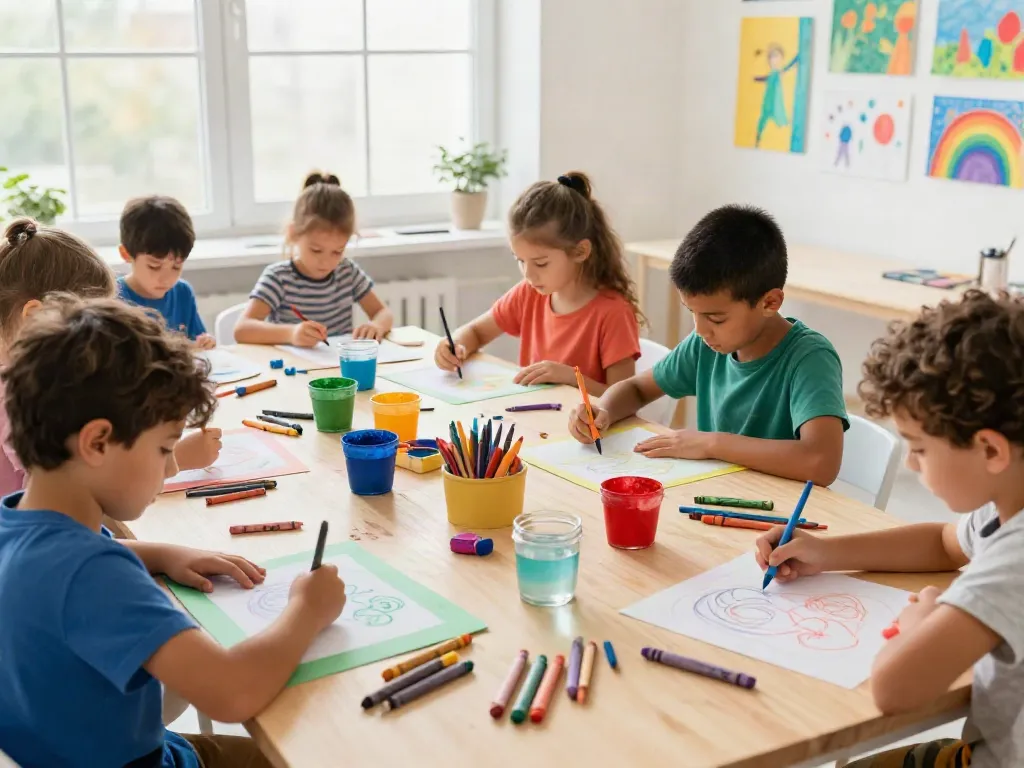
Wax crayons are the most traditional and widely used type of crayon. Known for their affordability and ease of use, they are particularly popular among educators and parents. With a lower minimum order quantity (MOQ), these crayons are ideal for bulk purchases for classrooms or community art programs. Their vibrant colors and smooth application make them a favorite among young artists.
Plastic Crayons: Versatile and Creative Shapes
Plastic crayons represent a modern take on traditional drawing tools, often molded into a variety of creative shapes and designs. This unique versatility encourages playfulness and imagination during artistic endeavors. They are particularly favored for their sturdiness and ability to withstand rough handling, making them suitable for younger children.
Fabric Crayons: Washable and Innovative Designs
Fabric crayons have emerged as a game changer in the art supplies market. Designed specifically for use on textiles, these products allow artists to create vibrant designs that can endure regular washing without fading. This innovative capability opens up possibilities for personalized apparel, home decor, and craft projects, catering to both hobbyists and professional textile artists.
Sustainability in Crayon Production
As environmental concerns continue to dominate discussions around manufacturing, the crayon industry has not been left behind. Manufacturers are increasingly adopting sustainable practices in both materials and processes to meet the growing demand for eco-conscious products.
Eco-Friendly Materials: Beeswax and Beyond
Beeswax crayons have surged in popularity due to their natural composition and minimal environmental impact. Unlike conventional wax crayons that may contain paraffin, a petroleum by-product, beeswax is renewable and biodegradable. This shift towards natural materials is not only beneficial for the environment but also appeals to health-conscious consumers seeking safer alternatives for their children.
Life Cycle of Eco-Conscious Crayons
The life cycle of eco-friendly crayons encompasses sustainable sourcing, production, and end-of-life considerations. Manufacturers focusing on these aspects ensure that their products leave a minimal carbon footprint. Programs for recycling used crayons are also becoming more common, allowing consumers to participate in sustainability efforts.
Future Trends in Sustainable Manufacturing Practices
As sustainability becomes a norm rather than an exception, crayon manufacturers will likely invest more in research and development to create innovative products that minimize environmental impact. Trends such as the use of plant-based waxes and recycled materials in crayon production are expected to gain traction, further enhancing the sustainability profile of crayon products.
Challenges in the Crayon Manufacturing Industry
Despite the growth prospects, the crayon manufacturing industry faces several challenges that can impact production and profitability.
Supply Chain Issues Impacting Production
Global supply chain disruptions have affected many manufacturing sectors, including crayons. Delays in raw material procurement, coupled with increased shipping costs, can hinder production schedules and affect pricing strategies. Manufacturers must adapt to these challenges by developing more resilient supply chains and exploring alternative sourcing options.
Regulatory Compliance for Safety Standards
As regulations concerning product safety continue to evolve, crayon manufacturers must stay compliant with local and international standards. This includes rigorous testing for harmful substances, particularly for children's products. Adhering to these safety standards is crucial for maintaining consumer trust and brand reputation.
Competition and Market Saturation
The crayon market is becoming increasingly saturated, with numerous brands competing for consumer attention. Establishing a unique selling proposition (USP) based on product quality, safety, and innovation becomes essential for brands hoping to thrive in this competitive landscape. Differentiation through unique features, such as eco-friendliness and product versatility, can help brands stand out.
Future Predictions for Crayon Manufacturers
Looking ahead to 2026, the crayon manufacturing industry is poised for transformative changes driven by consumer behavior, technological advancements, and environmental priorities.
Innovation in Crayon Production Techniques
Innovative production techniques, including 3D printing, are likely to revolutionize how crayons are made. This technology could allow for custom shapes and designs, tapping into the growing demand for personalized art supplies and experiences.
Emerging Trends in Educational Art Supplies
As educational methodologies evolve, so too does the demand for high-quality art supplies in classrooms. Crayon manufacturers that align their products with modern pedagogical approaches—such as STEAM (Science, Technology, Engineering, Arts, Mathematics) education—are likely to see increased demand. Incorporating interactive and educational features into crayons could provide significant value to educators.
Strategic Growth for Crayon Manufacturers in 2026
To achieve strategic growth, crayon manufacturers will need to focus on scalability and adaptability. Expanding product lines to include more specialized and eco-friendly options can capture a broader market share. Additionally, leveraging e-commerce platforms to reach global audiences will be vital for staying competitive in a digital-first world.
What materials are best for eco-friendly crayons?
Materials like natural waxes, such as beeswax, and non-toxic pigments are best for producing eco-friendly crayons. These materials offer safety and sustainability without compromising performance.
How can crayon manufacturers improve sustainability?
Crayon manufacturers can improve sustainability by adopting eco-friendly materials, optimizing production processes to reduce waste, and implementing recycling initiatives for their products.
What innovations are shaping the future of crayons?
Innovations in crayon manufacturing include new formulations, 3D printing technologies, and sustainable sourcing practices, all aimed at enhancing product quality and safety.
Which crayon types are preferred by consumers today?
Currently, consumers show a preference for eco-friendly options, such as beeswax and washable fabric crayons, due to their safety features and environmental benefits.
How do crayon manufacturers address market challenges?
Addressing market challenges involves building resilient supply chains, adhering to regulations, and effectively differentiating products to combat market saturation.