Understanding Smart Locks: The Future of Home Security
In today's fast-paced world, smart locks have emerged as the cornerstone of modern home security. With the rise of technology, traditional locks are being replaced by innovative systems that offer enhanced safety, convenience, and control. Smart locks integrate with your home automation systems, allowing you to manage access remotely while providing peace of mind through advanced security features. When exploring options, قفل هوشمند technologies can meet diverse security needs ranging from facial recognition capabilities to remote monitoring.
What is a Smart Lock?
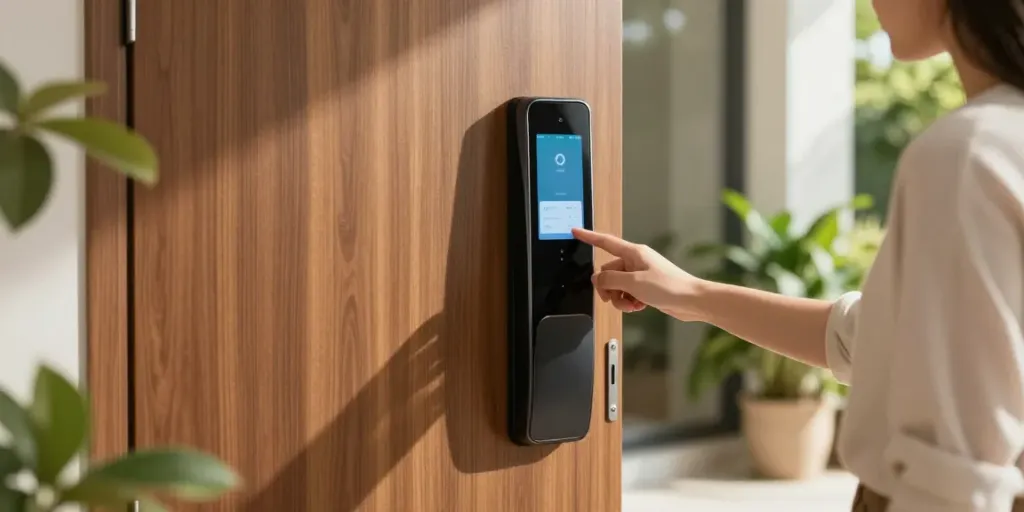
A smart lock is an electronic locking device that uses various technologies to perform locking and unlocking operations. Unlike traditional locks that require physical keys, smart locks can be operated through smartphones, biometrics, or keypads, combining convenience with sophisticated security features. These locks can connect to your home Wi-Fi or Bluetooth, allowing you to control them remotely.
Key Features of Modern Smart Locks
Modern smart locks come equipped with a range of features designed to elevate your home security:
- Remote Access: Control your lock from anywhere, ensuring you can let in guests or service providers without being physically present.
- Biometric Authentication: Utilize fingerprint or facial recognition for quick and secure access.
- Temporary Access Codes: Provide time-limited access to guests or service personnel.
- Activity Logs: Monitor who enters and exits your home, giving you insights into activity and security.
- Integration with Smart Home Systems: Seamlessly connect with other smart devices in your home for coordinated security measures.
The Role of Technology in Home Security
Technology plays a crucial role in enhancing home security. Smart locks represent a significant advancement over traditional locking mechanisms, allowing for integration with various security systems. From video doorbells to surveillance cameras, these devices can communicate with each other, providing a comprehensive security solution that is both user-friendly and efficient.
Choosing the Right قفل هوشمند for Your Needs
With a wide array of options on the market, selecting the right smart lock can be a daunting task. The first step is to understand the different types available and how they align with your security needs.
Types of Smart Locks Available
Smart locks come in various forms, each offering unique features:
- Keypad Locks: Accessible through a numerical code, these locks are user-friendly and eliminate the need for physical keys.
- Biometric Locks: Use fingerprint or facial recognition for secure entry.
- Wi-Fi Locks: Can be controlled through a smartphone app from anywhere, making them ideal for remote management.
- Bluetooth Locks: Operate via Bluetooth connection, allowing you to unlock your door as you approach.
- Smart Deadbolts: Combine traditional deadbolt security with smart features for added protection.
Factors to Consider When Buying
When purchasing a smart lock, several factors should guide your decision:
- Security Features: Look for locks that offer robust encryption and secure authentication methods.
- Compatibility: Ensure that the smart lock is compatible with your existing home automation systems.
- Installation: Consider whether you prefer a DIY installation or professional help, as some models may require specific tools or expertise.
- Battery Life: Choose locks with long-lasting batteries to avoid frequent replacements.
- Customer Support: Opt for brands that provide reliable customer service and warranties to address any issues promptly.
Budgeting for Your Smart Lock Purchase
Smart locks are available at various price points, significantly influenced by their features and technology. Understanding your budget can help you narrow down your choices:
- Basic Models: Generally range from $100 to $150, offering essential locking features.
- Mid-Range Models: Priced between $150 and $250, these typically include additional security measures like keypads or mobile access.
- High-End Models: Starting from $250 and beyond, these locks often offer advanced biometric features, extensive integrations with smart home systems, and premium materials.
Installation and Maintenance of Smart Locks
Proper installation and maintenance of your smart lock are key to ensuring its longevity and functionality. Here’s what you need to know about both processes.
DIY Installation Tips
If you choose to install your smart lock yourself, keep these tips in mind:
- Read the manufacturer’s instructions thoroughly before starting the installation.
- Gather all necessary tools and components to avoid interruptions.
- Make sure your existing door hardware supports the smart lock you purchased.
- Follow safety precautions, especially when working with electronic components.
When to Call a Professional
While many smart locks are designed for DIY installation, some situations may require professional help:
- If electrical wiring is required for the installation.
- When dealing with complex smart home integrations.
- If you are uncertain about the compatibility of the lock with your door.
Regular Maintenance Practices for Longevity
To keep your smart lock functioning optimally, implement these maintenance practices:
- Regularly check and replace batteries as needed to prevent malfunction.
- Keep the locking mechanism clean to avoid jams or issues with locking and unlocking.
- Periodically update the firmware if applicable, to ensure you have the latest security features.
Benefits of Using a قفل هوشمند at Home
Investing in a smart lock has numerous advantages that enhance the overall security of your home.
Enhanced Security and Peace of Mind
Smart locks utilize advanced technology that significantly reduces the risk of unauthorized access. Features like biometric authentication and remote access provide homeowners with peace of mind, knowing they can monitor and control who enters their property at any time.
Convenience of Remote Access and Monitoring
One of the standout benefits of smart locks is the ability to control access remotely. Whether you're at work, on vacation, or simply away from home, you can lock or unlock your door using your smartphone. This capability is particularly useful for managing deliveries or allowing access to guests without needing to be physically present.
Tracking Entry and Exit Records
Most smart locks come equipped with entry logs, allowing homeowners to track who accessed their home and when. This feature can help you identify unauthorized access or simply monitor household activity.
Emerging Trends in Smart Lock Technology for 2026
The smart lock market is rapidly evolving, with several trends shaping its future. Staying informed about these trends can help you select the most suitable security measures for your home.
Integration with Smart Home Systems
In 2026, the integration of smart locks with broader smart home ecosystems is expected to become standard practice. This trend includes seamless communication between smart locks, surveillance cameras, and alarm systems, ensuring comprehensive home security management.
Innovations in Biometric Security
As technology advances, biometric systems will become more sophisticated. Future smart locks may feature enhanced facial recognition technologies, allowing for faster and more secure access, particularly in high-traffic areas.
Future Predictions for Smart Lock Usage
With the increasing popularity of smart home solutions, it's anticipated that more households will adopt smart locking systems. Projections suggest that by 2026, smart locks could become a standard feature in newly built homes, driving further innovation and affordability in the market.
What Sets Smart Locks Apart from Traditional Ones?
Smart locks offer functionalities that traditional locks cannot provide:
- Remote Management: Unlock your door via your phone from anywhere.
- Flexible Access: Grant temporary access codes for guests without needing to be on-site.
- Real-Time Alerts: Receive notifications of any entries or attempted access, enhancing your home security.
How Do Smart Locks Function Without Wi-Fi?
Many smart locks utilize Bluetooth technology, allowing users to unlock their doors without a Wi-Fi connection. In these scenarios, the lock communicates directly with your smartphone when you are in proximity, ensuring access without relying on internet connectivity.
Can Smart Locks Be Hacked?
Like any technology, smart locks are vulnerable to hacking attempts. However, modern systems are equipped with advanced encryption methods that significantly decrease the likelihood of unauthorized access. Regular software updates further enhance security against emerging threats.
How to Troubleshoot Common Smart Lock Issues?
If you experience problems with your smart lock, consider these troubleshooting steps:
- Check the battery level; replace batteries if needed.
- Ensure that the lock is properly aligned and free from debris.
- Restart the device or reinstall the associated app to resolve connectivity issues.
Are Smart Locks Worth the Investment?
The value of smart locks is evident in their blend of convenience, security, and technological innovation. While the initial investment may be higher than traditional locks, the long-term benefits, such as enhanced security and ease of management, often justify the cost.