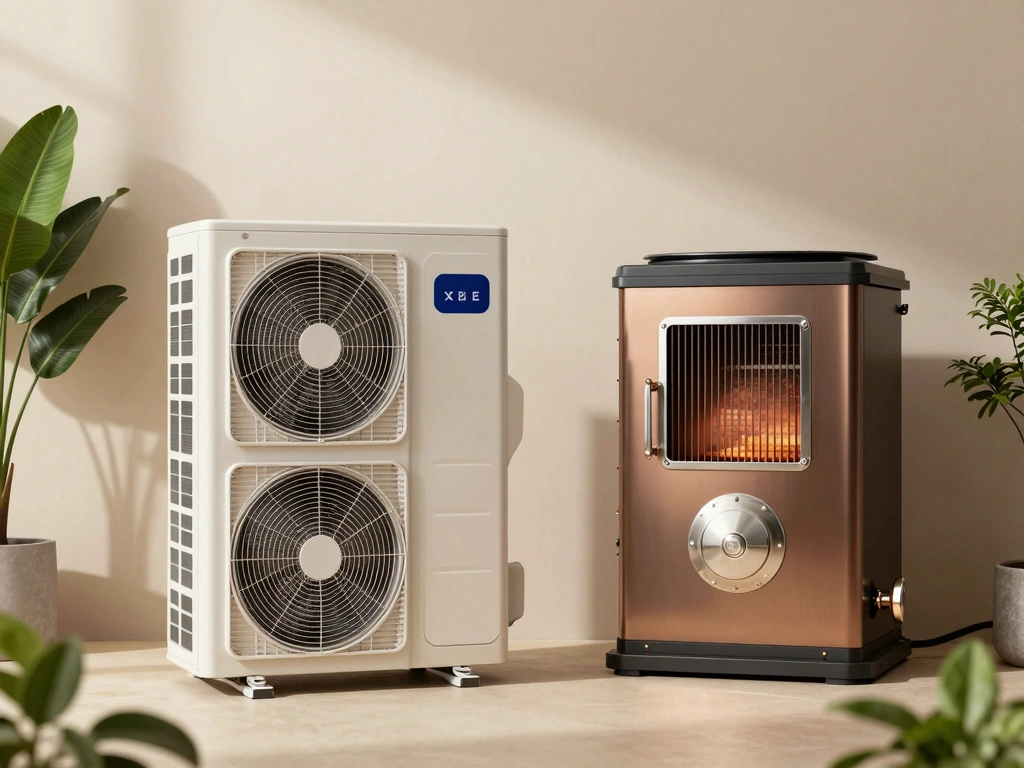
The Benefits of Mini Split of Air Conditioner Systems
As climate change continues to influence weather patterns, homeowners are increasingly turning to innovative HVAC solutions that provide efficient temperature control. One such solution is the mini split of air conditioner, a versatile system that combines heating and cooling capabilities in a compact design. Understanding the benefits of mini split systems not only helps in making informed purchasing decisions but also enhances the comfort of your living space.
When exploring options, mini split of air conditioner systems have emerged as a preferred choice for energy-efficient climate control. These systems are particularly advantageous for homes lacking ductwork or for those looking to add temperature controls in specific rooms without significant renovations.
What Makes Mini Split Air Conditioners Efficient?
Mini split air conditioners operate on a highly efficient heat pump technology. They consist of two main components: an indoor unit that cools or heats the air, and an outdoor unit that removes or adds heat. This separation allows for precise temperature control and minimizes energy loss commonly associated with traditional HVAC systems. Some features that enhance their efficiency include:
- Inverter Technology: Many mini split systems use inverter technology, allowing the compressor to modulate its speed based on the cooling demand. This leads to reduced energy consumption compared to standard AC systems.
- Zoning Capabilities: With the ability to control temperatures in individual rooms or zones, mini splits ensure that energy is only used where needed, further enhancing efficiency.
- No Duct Loss: Traditional ducted systems can lose up to 30% of their energy through leaky ducts. Mini splits eliminate this issue as they don't rely on ductwork.
How Mini Split Systems Enhance Home Comfort
Homeowners are increasingly seeking comfort solutions that cater to their diverse needs. Mini split air conditioners excel in this regard through their flexibility and customized performance. Here’s how they enhance home comfort:
- Quiet Operation: Mini splits are known for their quiet operation, making them ideal for bedrooms and other quiet spaces. The indoor units operate at sound levels that are often quieter than a whisper.
- Fast Cooling and Heating: The ability of mini splits to quickly respond to temperature changes means less waiting time for optimal comfort after adjustments.
- Air Quality Benefits: Many mini split systems come equipped with advanced filters that improve indoor air quality by trapping allergens, dust, and other pollutants.
Comparing Mini Split to Traditional AC Units
When comparing mini split air conditioners to traditional systems, it becomes evident that the mini splits offer a range of benefits that cater to modern living. Key differences include:
- Energy Efficiency: Mini splits are typically more energy-efficient, leading to lower utility bills over time.
- Installation Flexibility: Their compact design allows for easier installation in various locations without extensive ductwork.
- Cost-Effectiveness: Although the initial investment may be higher, the long-term savings on energy costs and reduced maintenance make them a cost-effective solution.
Installation Insights for Mini Split Air Conditioners
Understanding the installation process for mini split air conditioners is crucial for maximizing their benefits. Proper installation ensures optimal performance and longevity. Here are some insights into the installation process:
Professional vs. DIY Installation: Pros and Cons
Choosing between hiring a professional or opting for a DIY installation can significantly influence the performance of your mini split air conditioner. Here’s a breakdown of both options:
- Professional Installation: Pros include guaranteed compliance with local codes, warranty protection, and expert troubleshooting. The downside is the higher upfront cost.
- DIY Installation: This option can save money if you have the skills and tools. However, it comes with risks such as voiding warranties and potential safety concerns.
Cost Factors Involved in Mini Split AC Installation
Several factors can influence the overall cost of installing a mini split system, including:
- System Size: Larger systems tend to cost more, as do systems with multiple indoor units.
- Installation Complexity: The installation site’s accessibility and additional features like smart thermostats can increase costs.
- Labor Costs: Hiring a qualified HVAC technician can vary based on your location and their expertise.
Best Practices for Installing Mini Split Units
To ensure a successful installation, consider the following best practices:
- Choose the right size system based on your space and cooling needs.
- Follow the manufacturer's guidelines for both indoor and outdoor unit placements.
- Ensure proper insulation of refrigerant lines to maintain efficiency.
Common Misconceptions About Mini Split Systems
Despite their growing popularity, several misconceptions about mini split systems may lead to misunderstandings. Addressing these claims can enlighten potential buyers:
Addressing Noise Concerns with Mini Split Units
One of the most common misconceptions is that mini split systems are noisy. In reality, when installed correctly, these systems operate at sound levels comparable to a whisper. Many models also come with features designed to further reduce noise, making them suitable for various living spaces.
The Real Energy Efficiency of Mini Splits
While mini split systems are often touted for their efficiency, it is essential to understand that their effectiveness hinges on proper sizing and installation. When these systems are appropriately utilized, they can deliver significant energy savings compared to traditional HVAC systems.
Debunking Space Requirements for Mini Split Systems
Another misconception is that mini split systems require substantial wall space for installation. In actuality, these systems are designed to be compact and can be mounted on various surfaces, including ceilings and walls, requiring minimal space.
Maintenance Tips for Optimal Performance
Regular maintenance is critical to ensure the longevity and effectiveness of mini split systems. Here are some essential maintenance tips:
Routine Maintenance Checklist for Homeowners
To keep your mini split air conditioner in top shape, homeowners should establish a routine maintenance checklist that includes:
- Cleaning or replacing the filters monthly.
- Checking the outdoor unit for debris and ensuring proper airflow.
- Inspecting the refrigerant lines for any signs of wear.
Signs Your Mini Split System Needs Repair
Being aware of potential warning signs can help prevent costly repairs. Watch for indications such as:
- Unusual noises from the indoor or outdoor unit.
- Inconsistent cooling or heating across zones.
- Increased energy bills despite no changes in usage.
Maximizing Efficiency Through Seasonal Check-Ups
Scheduling seasonal check-ups with a qualified technician can help catch any issues early and ensure your mini split operates efficiently throughout the year. Regular check-ups can also enhance the system’s lifespan.
Future Trends in Mini Split Air Conditioning Technology
As technology continues to advance, mini split air conditioning systems are evolving to meet the demands of modern homes. Here are some notable trends expected to shape the industry:
Innovations in Energy Efficiency for 2026
Future innovations will likely focus on improving energy efficiency, with advancements in compressor technology and new refrigerants that reduce greenhouse gas emissions. These innovations aim to enhance the overall performance while reducing environmental impact.
Smart Home Integration with Mini Split Systems
The rise of smart home technology is influencing mini split systems. Expect to see more models equipped for integration with smart home devices, allowing homeowners to control their systems from smartphones or voice assistants.
Predicting the Future of HVAC Technologies
As energy efficiency becomes increasingly paramount, the HVAC industry is predicted to adopt more sustainable practices. This shift could lead to mini split systems becoming even more adaptable and efficient, potentially incorporating renewable energy sources.
What Are the Advantages of Mini Split Air Conditioners?
The advantages of mini split systems are plentiful. They offer flexibility, energy efficiency, and comfort control that traditional systems often struggle to match. Additionally, their minimal aesthetics can seamlessly integrate into any home.
Are Mini Splits Better Than Central AC Systems?
While central air conditioning systems can be effective for entire homes, mini splits offer distinct advantages in terms of efficiency and installation flexibility, especially in homes without ductwork.
How Much Do Mini Split Systems Typically Cost?
The cost of mini split systems can vary depending on factors such as size, efficiency ratings, and installation requirements. Homeowners should budget both for equipment and installation, as thorough installations often ensure better long-term savings.
Are Mini Split Air Conditioners Noisy?
As previously mentioned, mini split systems are generally quieter than traditional AC units, making them suitable for all areas of the home, including bedrooms and offices.
What Is the Lifespan of a Mini Split Unit?
With proper maintenance, a quality mini split air conditioning unit can last anywhere from 15 to 20 years, providing reliable service long after the initial investment.