Understanding DPF Regeneration
Diesel engines are known for their efficiency and power, but this comes with the caveat of producing harmful emissions, particularly soot. To mitigate these emissions, most diesel vehicles are equipped with a Diesel Particulate Filter (DPF). Over time, however, this filter can become clogged with soot, necessitating a process known as dpf regeneration. Understanding how this process works is crucial for maintaining engine health and performance, as well as ensuring compliance with environmental regulations.
What is DPF Regeneration?
DPF regeneration is the process that cleans the diesel particulate filter by burning off the accumulated soot. This process is essential because, if left unchecked, the DPF can become clogged, leading to decreased engine performance, increased fuel consumption, and even engine damage. There are two primary types of DPF regeneration: passive and active.
Types of DPF Regeneration Processes
DPF regeneration can be classified into several methods:
- Passive Regeneration: This occurs automatically during normal driving conditions when exhaust temperatures are high enough to burn off soot, typically above 350°C.
- Active Regeneration: If the DPF reaches a certain soot accumulation threshold, the engine management system will initiate active regeneration by raising exhaust temperatures through post-injection techniques.
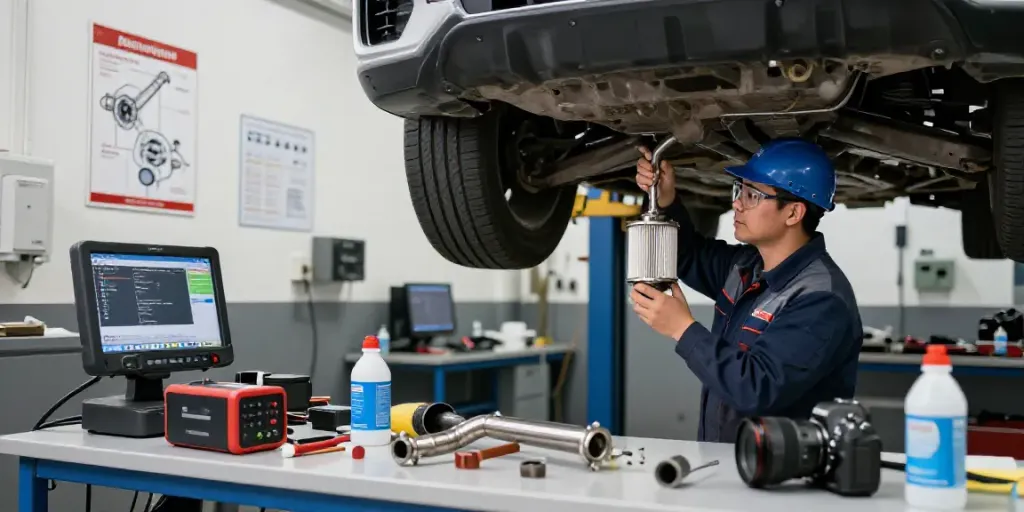
- Forced Regeneration: This method is used when the DPF is severely clogged, requiring specialized equipment and diagnostics to perform the regeneration process manually.
The Importance of Regular Maintenance
Maintaining your DPF is crucial not only for engine performance but also for adhering to emission regulations. Regular maintenance can prevent costly repairs and improve vehicle lifespan. Incorporating simple checks and timely interventions can help keep the DPF functioning optimally.
Common Issues with DPF Systems
While DPF systems are generally reliable, they can encounter several problems that require attention. Recognizing these issues early can save you time and money in the long run.
Signs Your DPF Needs Attention
Drivers should be vigilant for the following signs that indicate DPF issues:
- Warning Lights: Most vehicles have a DPF warning light on the dashboard that illuminates when the filter is full or malfunctioning.
- Reduced Engine Performance: If you notice a decrease in power or acceleration, it could indicate a clogged DPF.
- Increased Fuel Consumption: A poorly functioning DPF can cause the engine to work harder, leading to higher fuel usage.
Misconceptions About DPF Regeneration
There are several myths surrounding DPF regeneration. One common misconception is that the DPF will regenerate itself without any intervention if the vehicle is driven long enough. While passive regeneration can occur automatically, many vehicles need active or forced regeneration interventions, especially in stop-and-go traffic conditions.
Impact of Neglecting DPF Maintenance
Neglecting DPF maintenance can have serious repercussions, including:
- Complete DPF failure, which may necessitate costly replacements.
- Potential engine damage resulting from excessive soot build-up.
- Failing emissions tests, leading to fines and legal repercussions.
Step-by-Step Guide to DPF Regeneration
If you suspect that your DPF needs regeneration, follow this guide to initiate the process safely and effectively. Note that the exact steps may differ based on the vehicle model.
Preparing for DPF Regeneration
Before starting the regeneration process:
- Ensure you have enough fuel in the tank to allow for the regeneration.
- Check that there are no other warning lights on the dashboard.
- Understand your vehicle's specific requirements for DPF regeneration.
Tools and Equipment Needed
While some DPF regenerations can be performed without special tools, having the following can make the process smoother:
- OBD-II scanner to check for error codes and reset warnings.
- Vehicle service manual for specific DPF procedures.
- A diagnostic tool, if performing forced regeneration.
Executing the Regeneration Process
To carry out the regeneration:
- Start the vehicle and drive at a steady speed (where applicable) to allow the exhaust temperature to rise.
- Monitor the exhaust temperature and DPF status using the OBD-II scanner.
- After the regeneration is complete, check the warning lights and reset them if necessary.
DPF Regeneration in Different Vehicles
Every vehicle may have a slightly different DPF regeneration process. Understanding how it varies between diesel trucks and passenger cars is crucial for effective maintenance.
DPF Regeneration in Diesel Trucks
Diesel trucks often have larger exhaust systems that can store more soot, which makes regular regeneration necessary. Fleet owners should implement scheduled maintenance to ensure that DPF systems in their trucks are cleaned and functioning properly.
DPF Regeneration for Passenger Cars
For passenger vehicles, understanding when and how the DPF regenerates is key to avoiding issues. Many drivers may not realize their car is going through a regeneration cycle and could inadvertently interrupt the process by turning off the engine or stopping the vehicle.
Manufacturer-Specific DPF Guidelines
Each vehicle manufacturer provides specific guidelines for DPF maintenance and regeneration. Familiarizing yourself with these can prevent many common issues and ensure compliance with warranty stipulations.
The Future of DPF Technology
As emissions standards become stricter, the technology behind DPF systems is evolving. Staying informed about these developments can help you prepare for changes in vehicle maintenance.
Emerging Trends in DPF Technology
Innovations in DPF technology include:
- Improved filtration materials that enhance soot capture.
- Integrated sensors that provide real-time data on DPF performance.
- Advancements in emission treatments to further reduce particulate emissions.
Environmental Regulations and DPFs
The regulatory landscape is continuously changing, with stricter emissions guidelines being implemented worldwide. These regulations often dictate how DPF systems are designed and maintained, influencing both manufacturers and consumers alike.
Preparing for Changes in DPF Maintenance in 2026
As we approach 2026, it's crucial for diesel vehicle owners to stay ahead of the curve by keeping abreast of upcoming changes in DPF technology and maintenance requirements. Regular training for technicians and updated service manuals will be essential for handling these advancements efficiently.
How to Perform a DPF Regeneration?
As outlined in the guide above, performing a DPF regeneration involves preparation, the right tools, and an understanding of your vehicle’s requirements. Be sure to check your vehicle’s manual for specific instructions.
Can I Drive During DPF Regeneration?
In most cases, yes, it is recommended to drive during DPF regeneration. However, be cautious and avoid stopping the engine until the regeneration is complete to ensure the process can finish properly.
Can You Unblock a DPF Yourself?
While some minor blockages can be addressed through manual regeneration methods, serious clogs should be handled by professionals who have the tools and training necessary to prevent damage.
How Long Should DPF Regen Take?
The duration of DPF regeneration can vary significantly based on the method used and the vehicle. Active regeneration typically takes around 20 to 30 minutes, while forced regeneration can take longer depending on the conditions.